
Cybersecurity in Critical Infrastructure:
Smart Grids, AI, and Threat Modelling
Empower Your Future in Cybersecurity in the Summer Semester 2026!
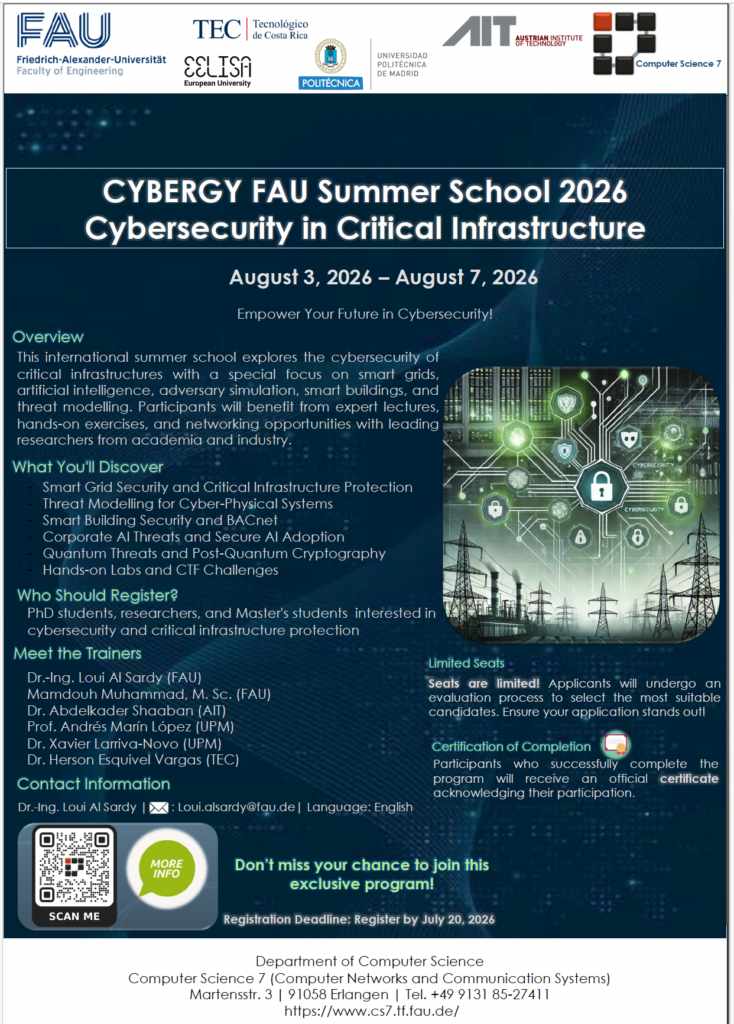
About the CYBERGY Summer School
Join us for the CYBERGY FAU Summer School 2026, a unique five-day educational event dedicated to the cybersecurity of critical infrastructures with a special focus on smart grids, artificial intelligence, and threat modelling. As modern energy systems become increasingly interconnected and digitalized, securing critical infrastructure against cyber threats is more important than ever.
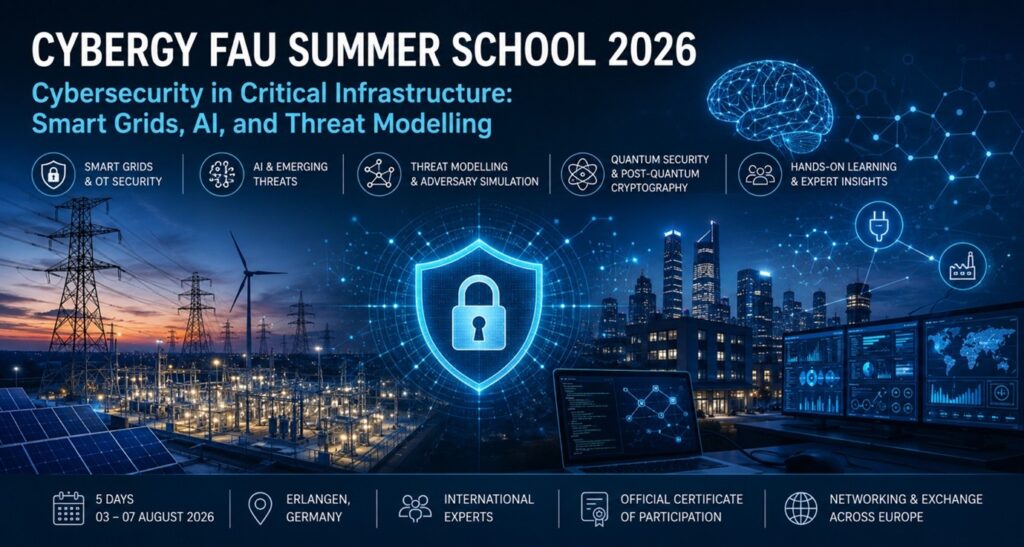
Through a combination of lectures, workshops, hands-on exercises, case studies, and interactive discussions, participants will explore the latest developments in smart-grid security, operational technology (OT) protection, adversary simulation, AI-related threats, and threat modelling methodologies.
Details
| Type of event | Summer School / Workshop |
| Language | English |
| Dates | 03 August 2026 – 07 August 2026 |
| Location | Friedrich-Alexander-Universität Erlangen-Nürnberg (FAU), Erlangen, Germany Room: 11301.00.031 (0.031-113 Seminarraum), Martensstraße 1 |
| Registration no longer possible | (3–5 sentences) explaining why they would like to participate in the summer school. Applications will be reviewed based on motivation and relevance to the applicant’s academic or professional background. |
| Registration for external Participants no longer possible | to Dr.-Ing. Loui Al Sardy. Your application should include: – Curriculum Vitae (CV) – Proof of your current status, e.g., a certificate of enrollment (for students/PhD candidates) or a confirmation of your current academic or professional position – A short motivation letter explaining why you would like to participate in the CYBERGY FAU Summer School 2026 |
| Agenda | The final agenda will be finalized shortly before the start of the Summer School |
| Participants External Participants | Master studentsPhD students, researchers, and professionals interested in cybersecurity and critical infrastructure protection Please note: External participants are expected to cover their own travel, accommodation, and living expenses. Unfortunately, we are unable to provide financial support. |
| Participation fee | The participation is free of charge |
| Certificate | Official Certificate of Participation |
| Seats | The number of participants is limited |
More details
By participating in this summer school, attendees will:
Day 1 – Foundations of Critical Infrastructure Cybersecurity
Day 2 – Smart Buildings & Network Security
Day 3 – AI & Quantum Security
Day 4–5 – Threat Modelling
Please note:
Agenda subject to minor changes.
To ensure participants can fully engage with the program and benefit from the training, the following foundational knowledge is recommended:
The following software should be installed before the summer school:
Participants should also be able to install additional Python libraries (e.g., BACpypes3) if required during the hands-on sessions.
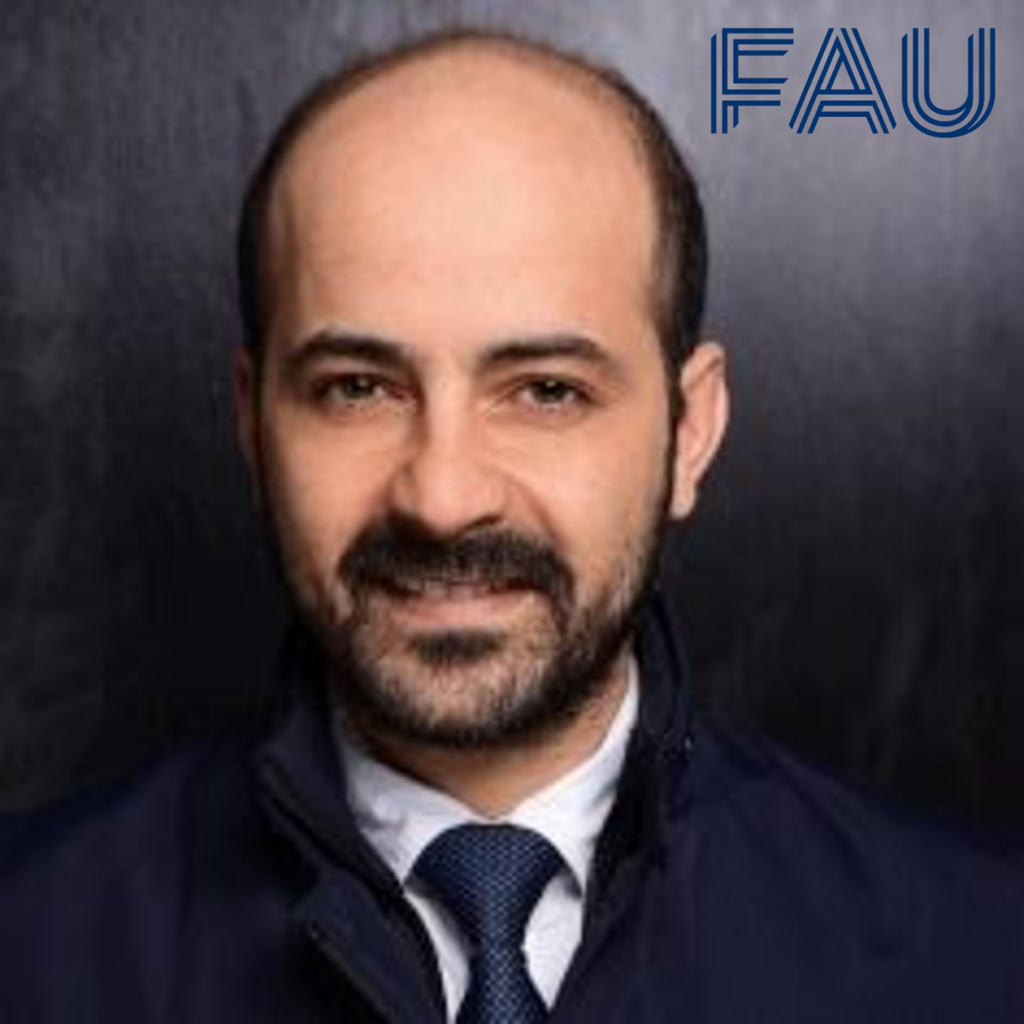
Dr.-Ing. Loui Al Sardy
Friedrich-Alexander-Universität Erlangen-Nürnberg (FAU), Germany
Dr.-Ing. Loui Al Sardy is the Head of the Network Security Research Group at the Lab of Computer Networks and Communication Systems, Friedrich-Alexander-Universität Erlangen-Nürnberg (FAU). His research focuses on network security, software security testing, blockchain security, and cybersecurity for critical infrastructures.
Prior to his current role, he was a Research Associate at the Chair of Software Engineering, contributing to the BMBF-funded SMARTEST and SMARTEST2 projects on securing software-based control systems. He is also the Co-Founder and COO of Sakundi, an AI-driven blockchain cybersecurity startup, and actively contributes to the cybersecurity community through professional and international organizations.
Mamdouh Muhammad, M. Sc.
Friedrich-Alexander-Universität Erlangen-Nürnberg (FAU), Germany
Muhammad Mamdouh is currently working as a research assistant at the Chair of Computer Networks and Communication Systems. He obtained his Master’s degree from Technische Universität Ilmenau in Thuringia, Germany. His current PhD research focuses on the application of artificial intelligence in the field of cybersecurity.
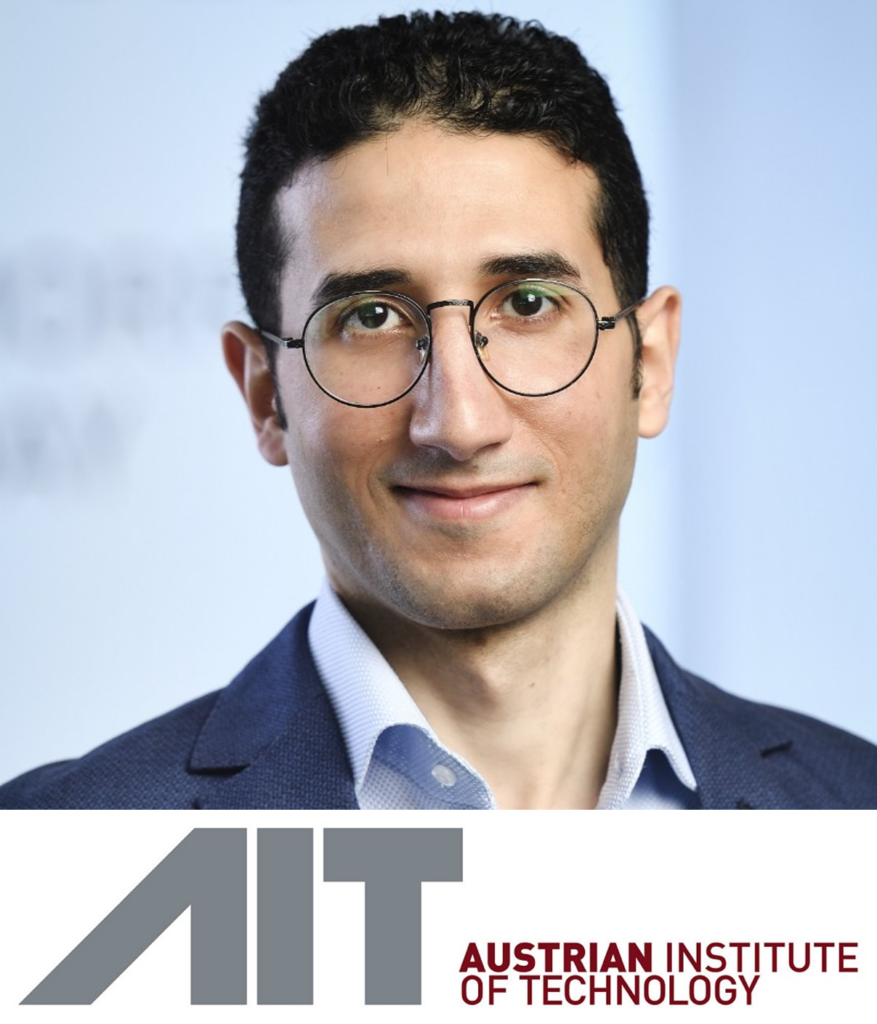
Dr. Abdelkader Shaaban
Austrian Institute of Technology (AIT), Austria
Abdelkader Shaaban is a Scientist at the Centre for Digital Safety and Security (DSS) at the AIT Austrian Institute of Technology. He received his PhD in Computer Science from the University of Vienna, specialising in cybersecurity engineering in the automotive domain. His research focuses on structured threat analysis, security requirements engineering, AI-driven security assessment, and regulatory compliance for cyber-physical critical systems.
His work systematically aligns technical system development with international standards (ISA/IEC 62443, ISO/SAE 21434, ISO/IEC 27001) and emerging European regulatory frameworks such as the Cyber Resilience Act (CRA) and the AI Act.
He has contributed to and is currently contributing to multiple national and European research and innovation projects, including AIMS5.0, EDEN, CyberSecPro, Labyrinth, KITT, and INSTAR, as well as several additional publicly funded and industry-partnered initiatives. As part of these activities, he co-developed ThreatGet, a structured threat modelling and security analysis tool supporting security-by-design processes across automotive, industrial, railway, and IoT domains.
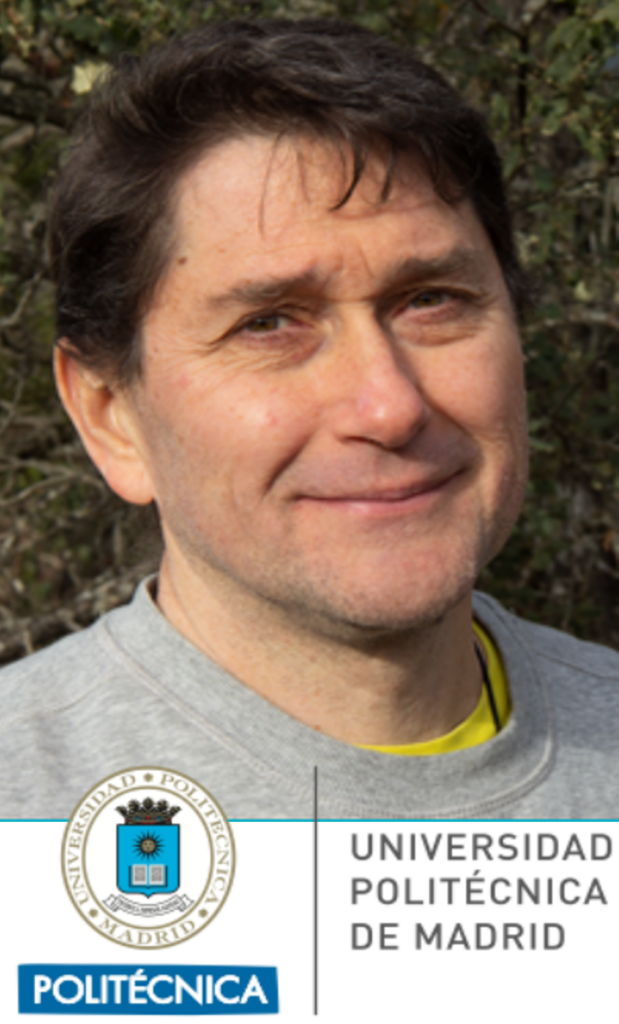
Prof. Andrés Marín López
Universidad Politécnica de Madrid (UPM), Spain
Andrés Marín López received his degree in Telecommunications Engineering from the ETSIT (School of Telecommunications Engineering) of the UPM (Technical University of Madrid) in 1992 and his PhD in 1996 from the same university. He completed his FPU (University Program Funding) grant from the Ministry of Education at UC3M (Carlos III University of Madrid), where he continued his research activities and began lecturing in Computer Engineering and Telecommunications Engineering programs. At UC3M, he specialized in security issues as a co-founder in 2000 of the ubiquitous computing laboratory (Pervasive) in the Telematics Engineering Department of UC3M School of Engineering).
After 26 years as a tenured professor at UC3M, he returned to the UPM to the RSTI (Research and Security in Telecommunications Engineering) group at the ETSIT UPM. His research interests focus on network security and the study of new quantum-resistant encryption (PQC) algorithms. Over the past ten years, she has published several articles, including 14 in JCR-indexed journals. He frequently collaborates on research projects. Actually he is the principal researcher of the national research funded project RAMONES-CM, and is collaborating with the UE funded EUCINF Project.
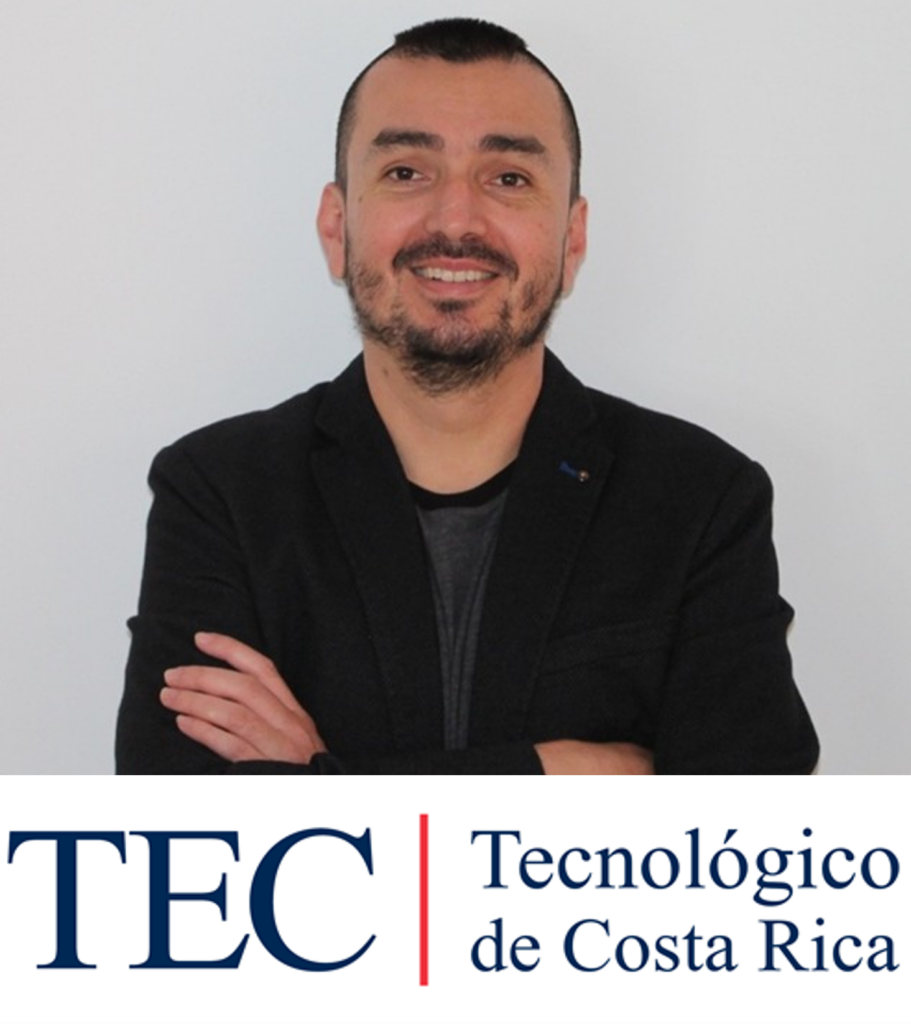
Dr. Herson Esquivel Vargas
Instituto Tecnológico de Costa Rica (TEC), Costa Rica
Herson is an adjunct professor and researcher at the Costa Rica Institute of Technology (TEC), where he is part of the management and teaching staff of the Cybersecurity Master’s Program. He teaches undergraduate and graduate courses in cybersecurity and leads TEC’s cybersecurity research group, El Hackatorio.
He earned his PhD in Cybersecurity from the University of Twente, the Netherlands. His research collaborations with both industry and academic partners include the Siemens CERT, Singapore University of Technology and Design (SUTD), CISPA Helmholtz Center for Information Security, among others.

Dr. Xavier Larriva-Novo
Universidad Politécnica de Madrid (UPM), Spain
Dr. Xavier Larriva-Novo is a Permanent Professor at the Universidad Politécnica de Madrid (UPM). He received his M.Sc. in Cybersecurity in 2018 and his Ph.D. in Telematic Systems Engineering in 2022, both from UPM. He has been involved in several research projects funded by European and Spanish public bodies related to network systems, service management, application and design, as well as network security, machine learning and high-performance computing, along
with various national projects focused on cybersecurity and defense. He is the author of more than 30 technical publications in national and international journals and conferences. He has received several awards, including the Best Doctoral Thesis Award granted by the UPM Chair with CESEDEN (Spanish Center for National Defense Studies), Ingeniero General D. Antonio Remón y Zarco del Valle, as well as the Extraordinary Doctorate Award granted by the Universidad Politécnica de Madrid.
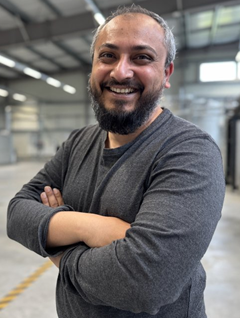
Siddique Reza Khan
Siddique Reza Khan is a certified cybersecurity expert and Master’s graduate with over eight years of experience in IT and Operational Technology (OT) security. He specializes in helping organizations
transform complex cyber risks into practical security solutions, with expertise in critical infrastructure protection, industrial control systems (ICS), IoT security, threat modeling, cloud security,
and cyber risk management.

Professor Helge Janicke
Professor Helge Janicke is an internationally recognised cybersecurity leader, researcher, and entrepreneur dedicated to advancing digital resilience across industries and governments. He is the founder of Janicke Consulting, where he develops Corporates Compromised®, an innovative cybersecurity awareness simulation designed for executives and boards. This program is widely adopted across government and corporate sectors, helping leaders make informed decisions in high-stakes cyber crisis scenarios.
Helge is a Professor of Cybersecurity at Edith Cowan University (ECU), where his work focuses on critical infrastructure security, operational technology resilience, and secure digital transformation.
Previously, Helge was the CEO and Research Director of the Cyber Security Cooperative Research Centre (CSCRC), where he oversaw a $100 million national research portfolio. In this role, he built strong industry, government, and academic partnerships that advanced Australia’s cybersecurity capabilities and drove innovative solutions to market. Recognised as the leading researcher in Computer Security and Cryptography in The Australian’s 2024 Top 250 Researchers list, Helge continues to influence national and international cybersecurity strategy, policy, and education. Helge was nominated as a finalist in the 2025 American Chamber of Commerce awards in the Cyber Security category.
Helge is passionate about bridging the gap between research and technical innovation and ensuring organisations and their leaders are prepared for the challenges of the evolving digital landscape.

Zakhar Bernhardt
Zakhar is an Operational Technology (OT) security and SIEM expert with approximately 10 years of experience in the field. Throughout his career, he has worked extensively with both IT and OT environments.
He is best known as the creator of LabShock, a highly regarded platform built to help people learn about, visualize, and test OT infrastructure. Zakhar developed LabShock to address a major industry challenge: big companies often struggle to build safe testing environments for newcomers to learn about OT. His platform allows users to connect hardware or virtual PLCs, visualize protocols like
Modbus, simulate cyber attacks, and train security teams in a hands-on way. Additionally, Zakhar has a strong public presence in the cybersecurity community. He is recognized for his active work on LinkedIn, where he regularly publishes articles, shares his theories, and posts updates about his projects to educate other OT defenders.
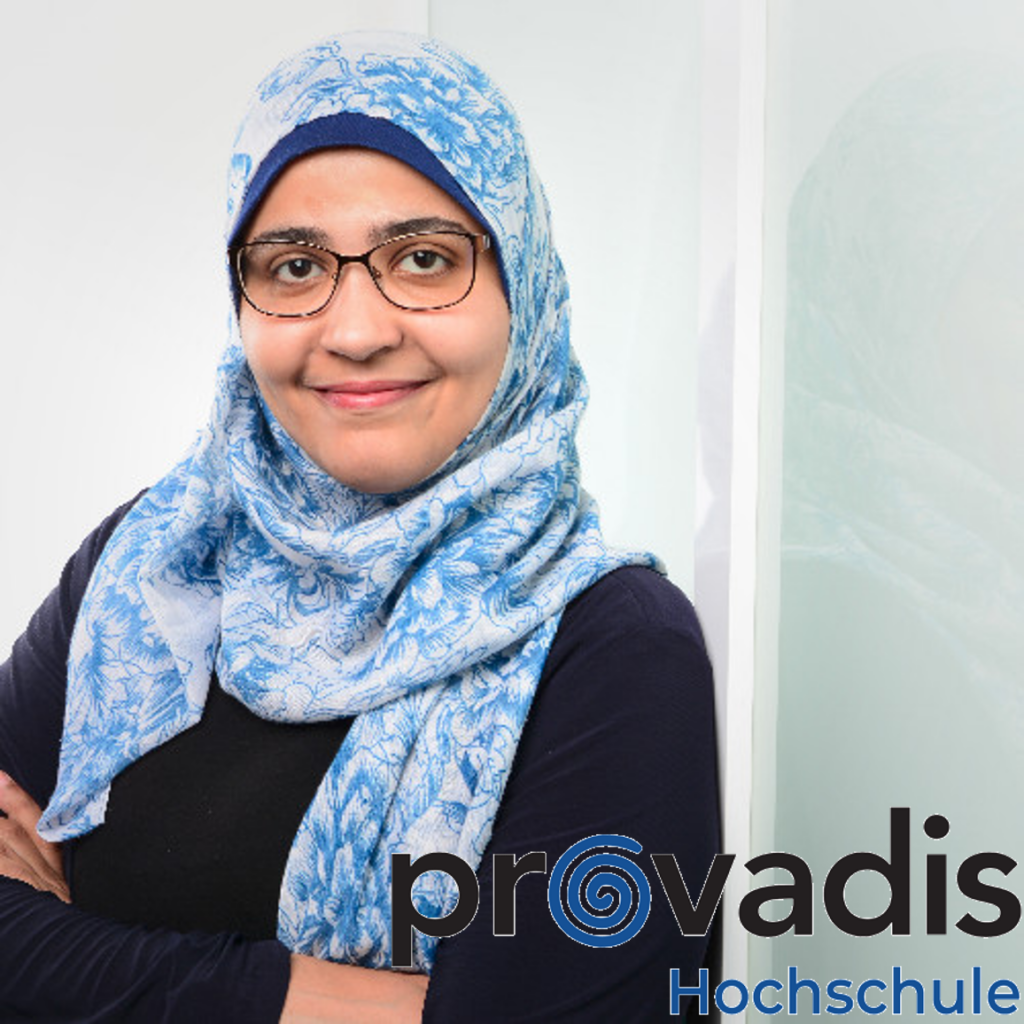
Prof. Dr.-Ing. Lamya Abdullah
Prof. Dr.-Ing. Lamya Abdullah is a Professor at Provadis University of Applied Sciences in Germany, where she teaches and conducts applied research in fundamental subjects, privacy, and various systems design. She previously held research positions at Technische Universität Darmstadt and Friedrich-Alexander-Universität Erlangen-Nürnberg (FAU), following her Marie Skłodowska-Curie doctoral research in privacy-preserving systems.
Her work focuses on systems engineering, with particular interests in threat modelling, Privacy by Design, privacy engineering, secure architectures, and human-centered designs. She has experience in both academic research and industrial R&D, designing solutions for distributed systems, cloud platforms, and medical data sharing, etc.
At the summer school, she will share approaches to threat modelling, helping participants systematically identify security and privacy risks, analyse attack surfaces, and integrate security and privacy considerations into system design from the earliest development stages.
Who can join the CYBERGY Summer School?
Master students, PhD students, researchers, and professionals interested in cybersecurity and critical infrastructure protection.
Is there a participation fee?
No. Participation is free of charge.
Will I receive a certificate?
Yes. Participants who successfully complete the summer school will receive an official certificate of participation.
What should I bring?
A laptop and enthusiasm for learning and collaboration.
How do I apply?
Applications will be handled through StudOn. Registration details will be announced soon.
Contact
1- Dr.-Ing. Loui Al Sardy
Chair of Computer Science 7
Computer Networks and Communication Systems
Friedrich-Alexander-Universität Erlangen-Nürnberg (FAU)
Email: Loui.AlSardy@fau.de
2- Mamdouh Muhammad, M. Sc.
Chair of Computer Science 7
Computer Networks and Communication Systems
Friedrich-Alexander-Universität Erlangen-Nürnberg (FAU)
Email: mamdouh.muhammad@fau.de
Last update: 2026-08-05 – 16:30