
Erlangen, Germany – 02–03 July 2026
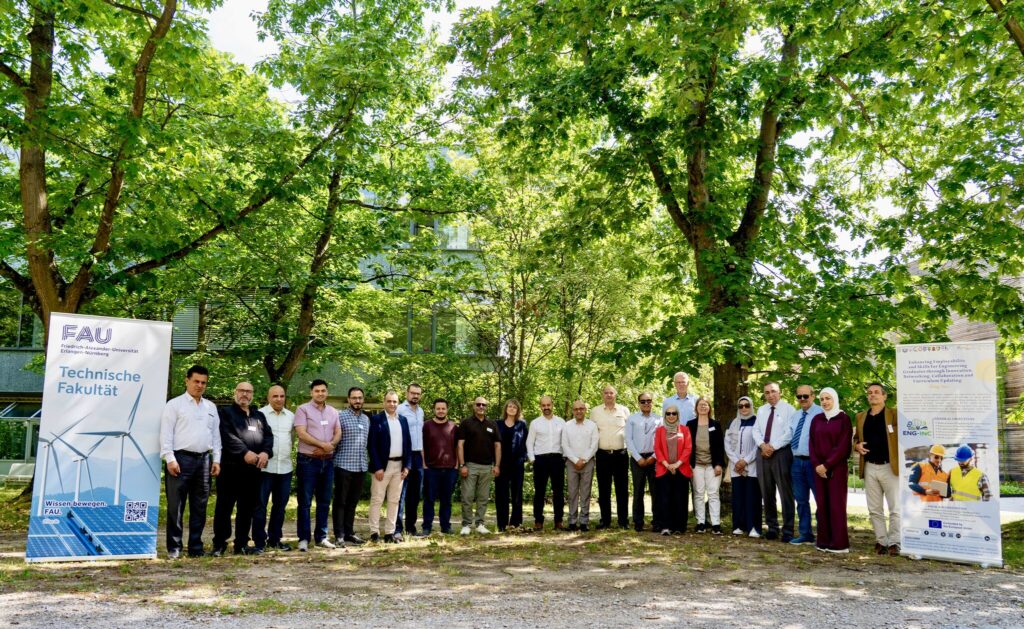
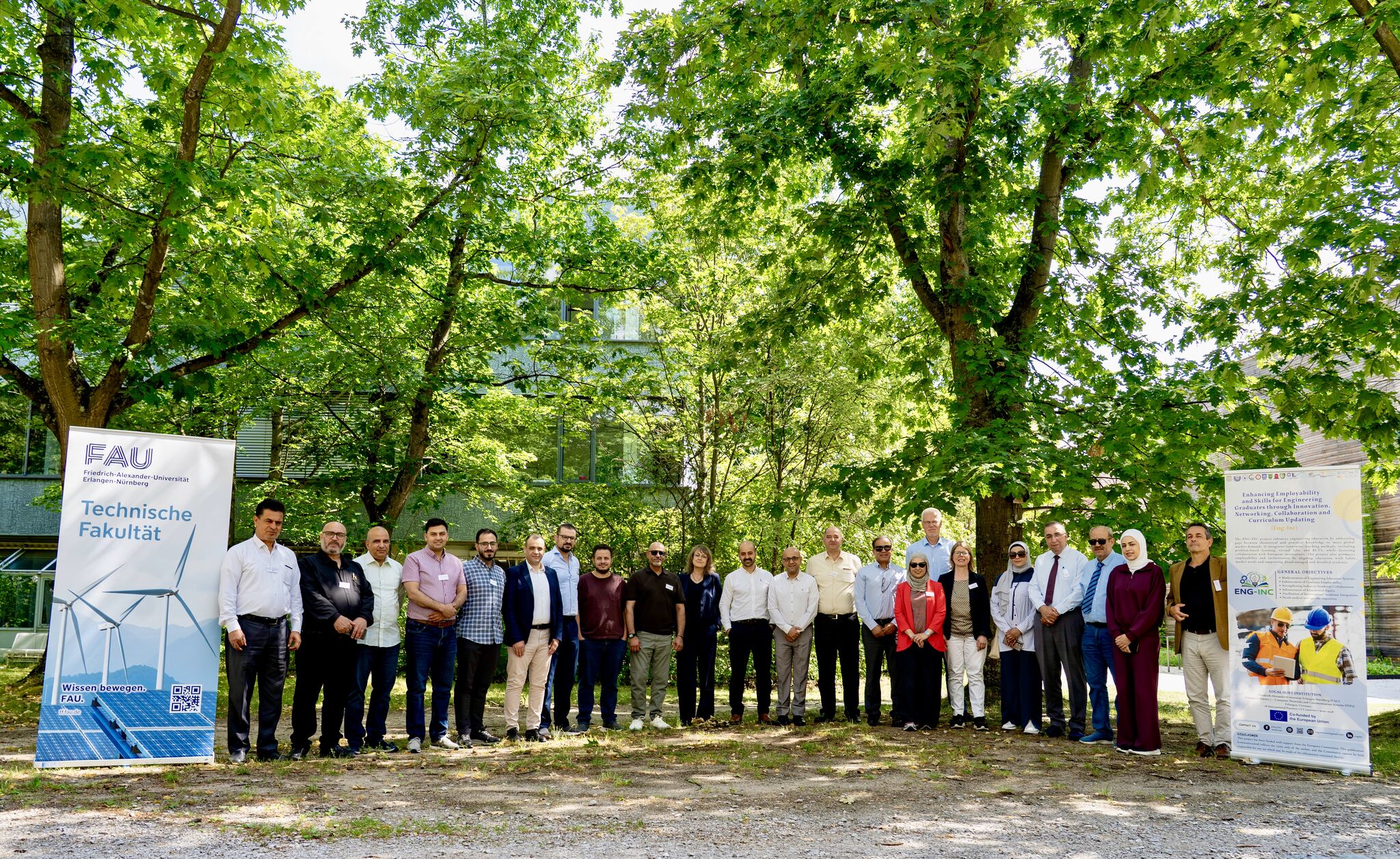
The Computer Science 7 – Computer Networks and Communication Systems (INF7) at the Friedrich-Alexander-Universität Erlangen-Nürnberg (FAU) successfully hosted the 2nd On-site Management Meeting of the Erasmus+ Capacity Building in Higher Education (CBHE) project ENG-INC – Enhancing Employability and Skills for Engineering Graduates through Innovation, Networking, Collaboration and Curriculum Updating. The two-day meeting brought together project partners from Europe and the MENA region, both in person and online, to review the project’s progress, coordinate upcoming activities, and strengthen international collaboration.
The meeting was opened by Dr.-Ing. Loui Al Sardy, local host and Co-Leader of Work Package 3, followed by welcome addresses from Prof. Dr. Gabriele Schäfer, ENG-INC General Project Coordinator, Prof. Ahmed Al-Salaymeh, Regional Project Coordinator, and Prof. Dr. Reinhard German, Head of Computer Science 7 at FAU. In his welcome speech, Prof. German introduced the participants to Friedrich-Alexander-Universität Erlangen-Nürnberg (FAU) and presented an overview of the research and teaching activities carried out at Computer Science 7 – Computer Networks and Communication Systems, highlighting the group’s expertise in communication networks, cybersecurity, and cutting-edge research.
During the first day, consortium members reviewed the progress of all project work packages, discussed the implementation status of ongoing activities, and agreed on the next milestones for curriculum development, quality assurance, dissemination, and project management. Interactive focus group workshops further supported the exchange of ideas and the refinement of upcoming project activities.
The second day focused on strategic planning for the next six months, where partners defined responsibilities, coordinated upcoming deliverables, and confirmed the project’s roadmap. The meeting concluded with bilateral discussions between the project coordinators and consortium members to ensure the timely implementation of future activities.
One of the highlights of the meeting was the Field Visit to the NHR@FAU High-Performance Computing (HPC) Center, where participants received a guided tour of the Helma GPU Cluster and were introduced to FAU’s expanding high-performance computing infrastructure. The visit demonstrated how advanced HPC technologies support research in artificial intelligence, engineering, and data-intensive scientific applications. The consortium would like to express its sincere appreciation to Johannes Veh and the NHR@FAU team for organizing this informative and engaging visit.
Another special moment during the meeting was the opportunity to briefly meet Prof. Dr. Joachim Hornegger, President of FAU. During the exchange, representatives of the ENG-INC consortium introduced the project’s objectives and discussed the importance of international collaboration in modernizing engineering education and strengthening partnerships between European and MENA universities.
The ENG-INC consortium extends its sincere thanks to all project partners who participated in the meeting, both on-site and virtually, for their active engagement and valuable contributions. The successful meeting once again demonstrated the strong commitment of the consortium to advancing engineering education through innovation, collaboration, and international knowledge exchange.
The consortium now looks forward to continuing its work and meeting again during the next ENG-INC On-site Management Meeting, which will be hosted in Porto, Portugal, in January 2027.
About ENG-INC
ENG-INC (Enhancing Employability and Skills for Engineering Graduates through Innovation, Networking, Collaboration and Curriculum Updating) is an Erasmus+ Capacity Building in Higher Education (CBHE) project funded by the European Union. The project brings together 18 partner institutions from Europe and the MENA region to modernize engineering education, foster innovation, strengthen university–industry collaboration, and enhance the employability of future engineering graduates.

 1/8
1/8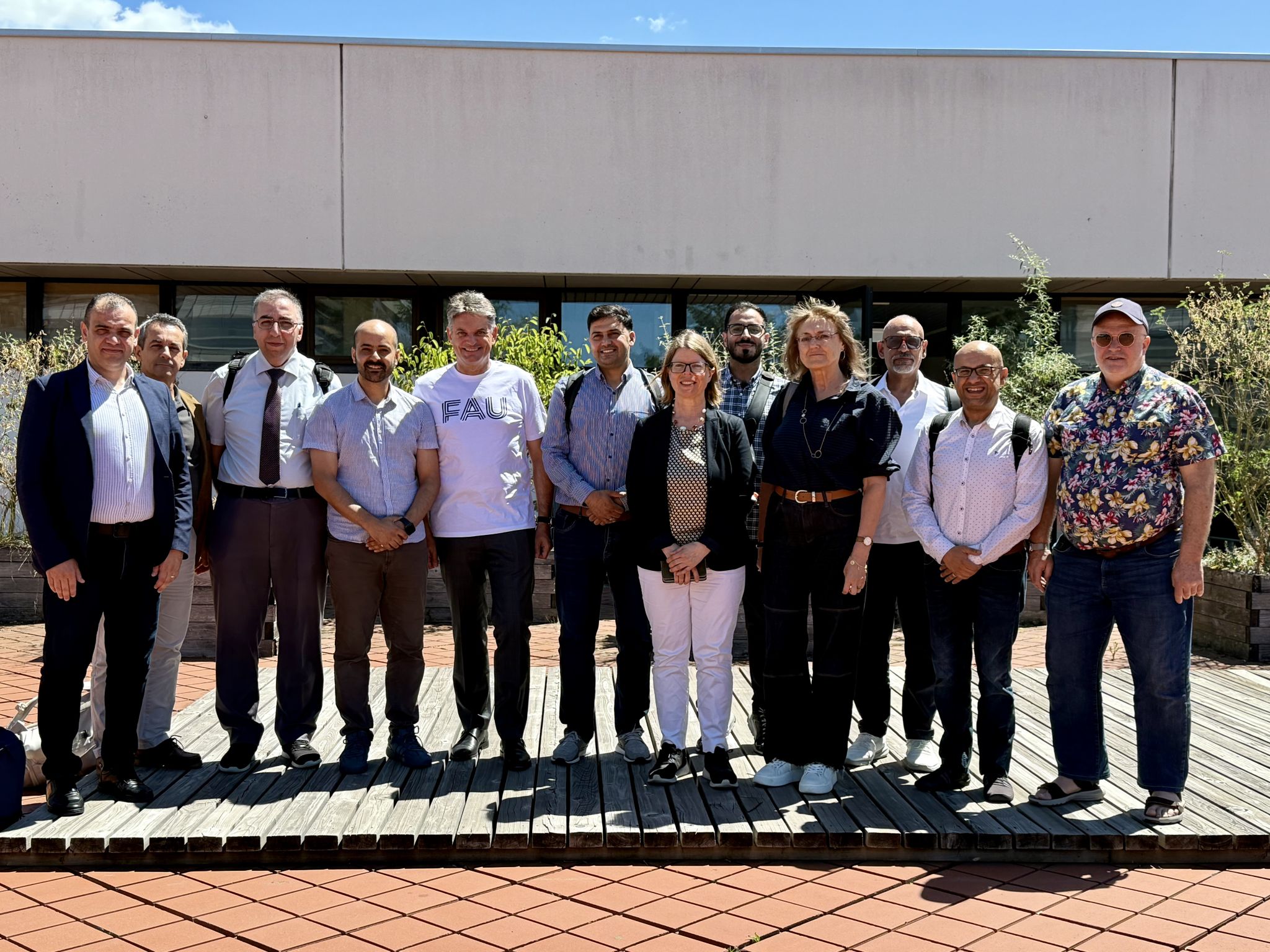 2/8
2/8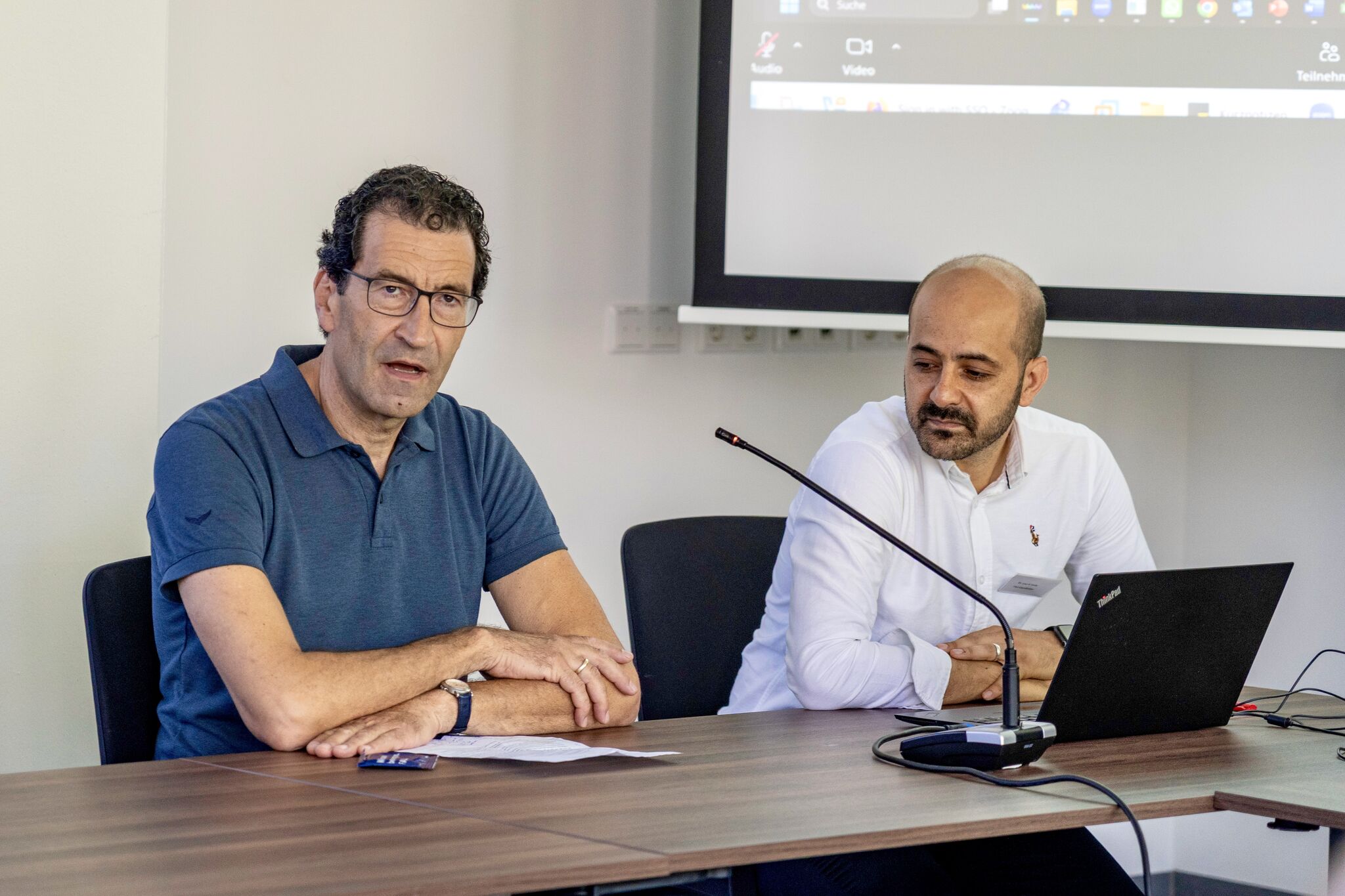 3/8
3/8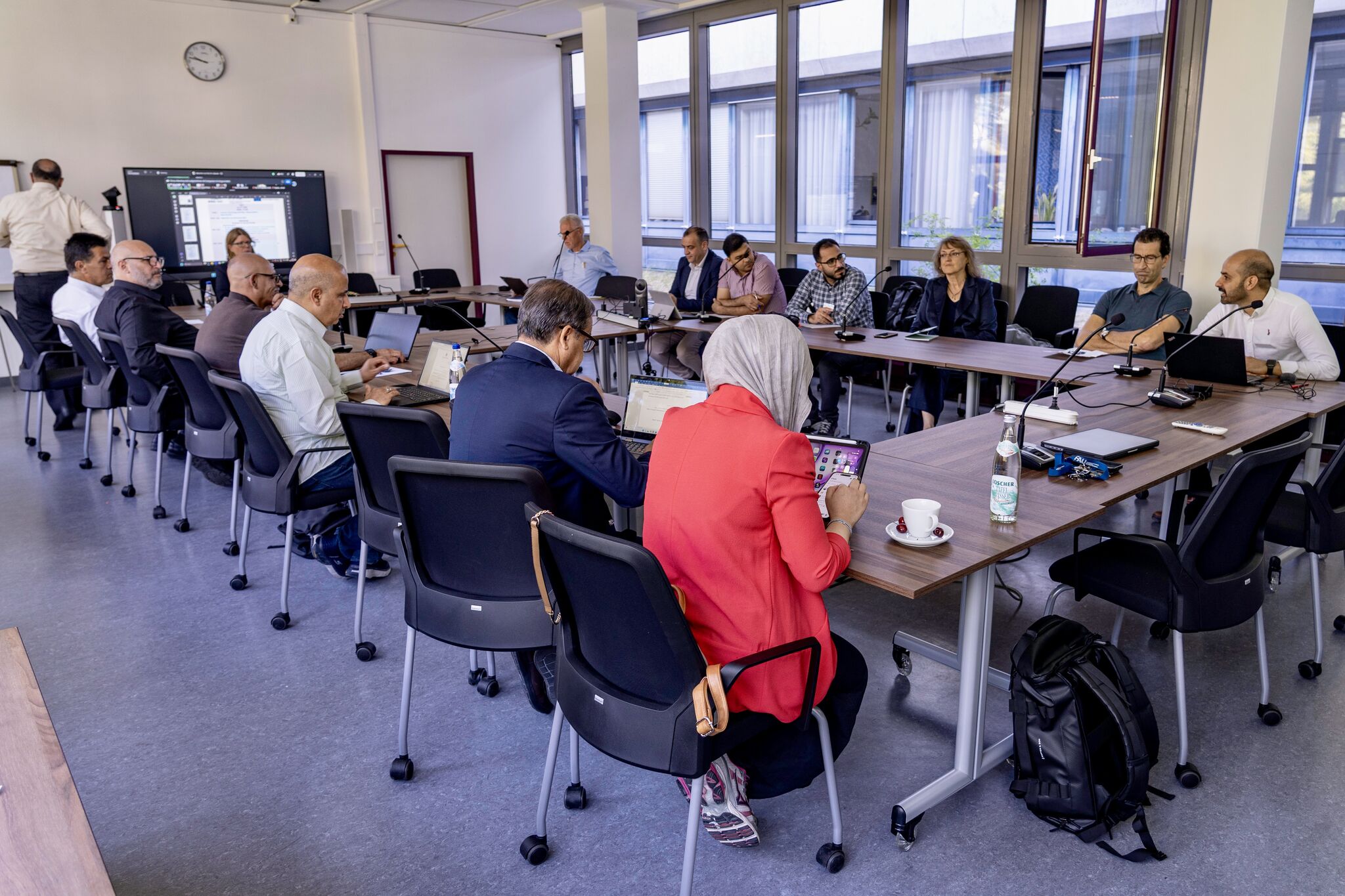 4/8
4/8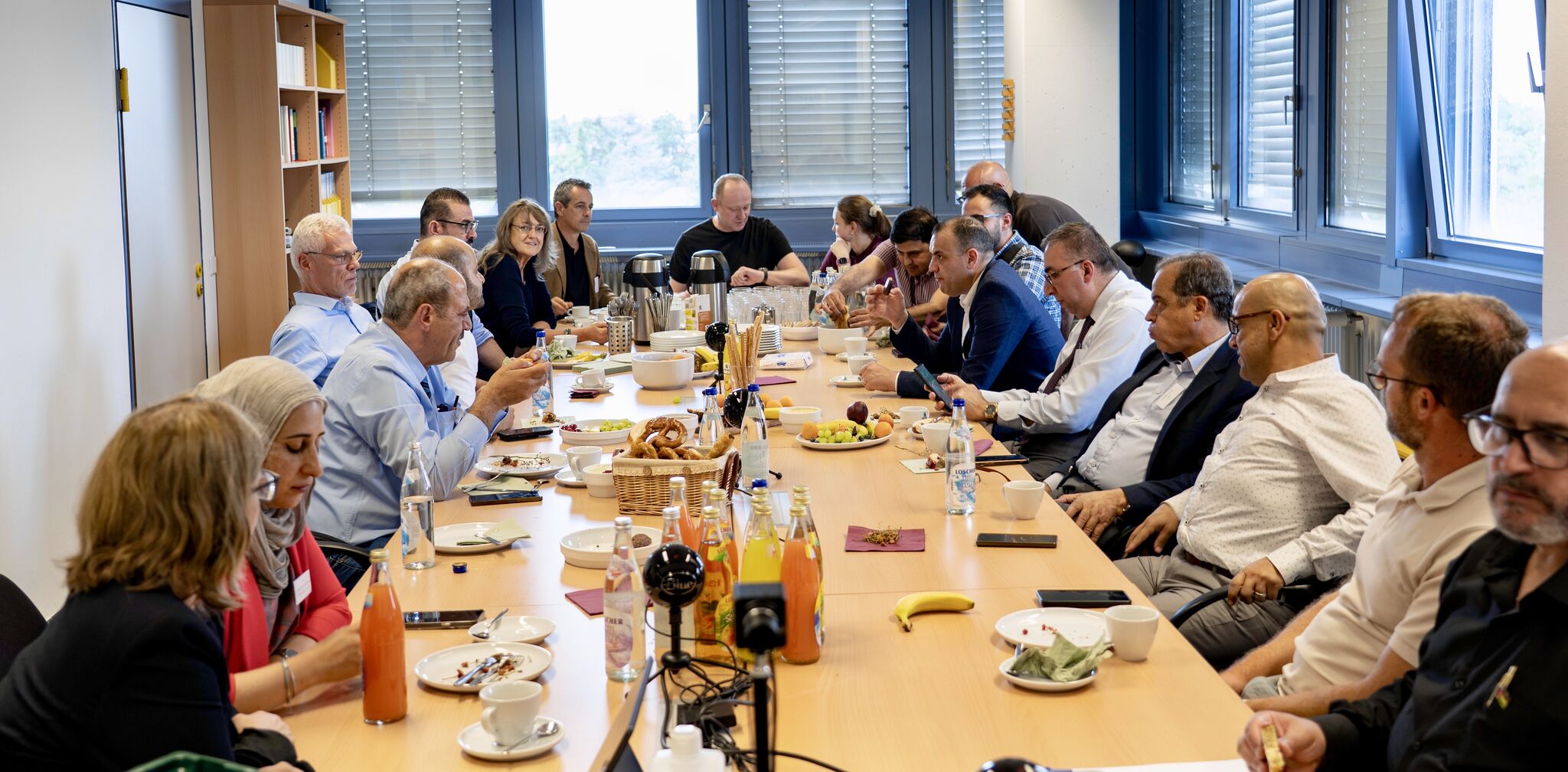 5/8
5/8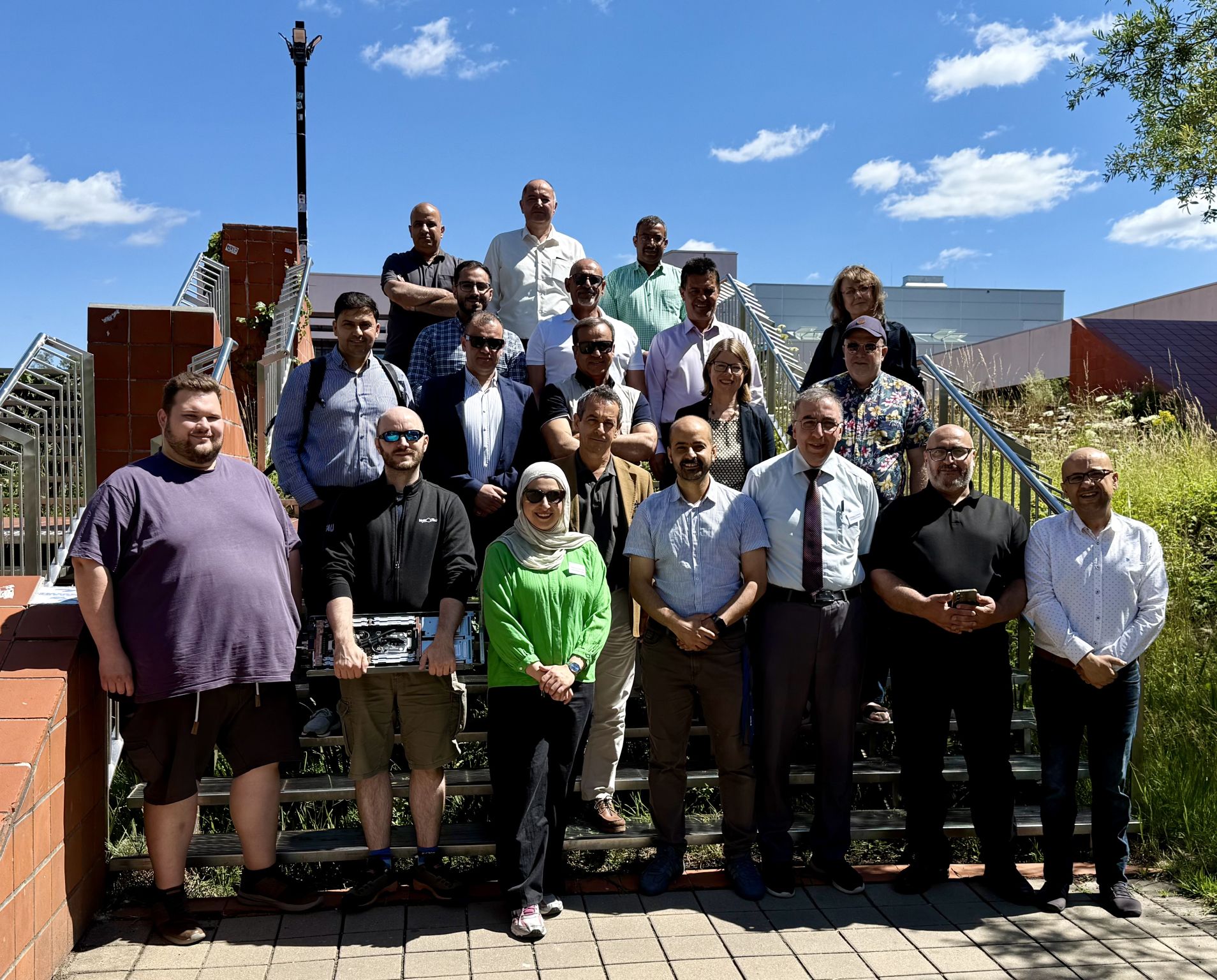 6/8
6/8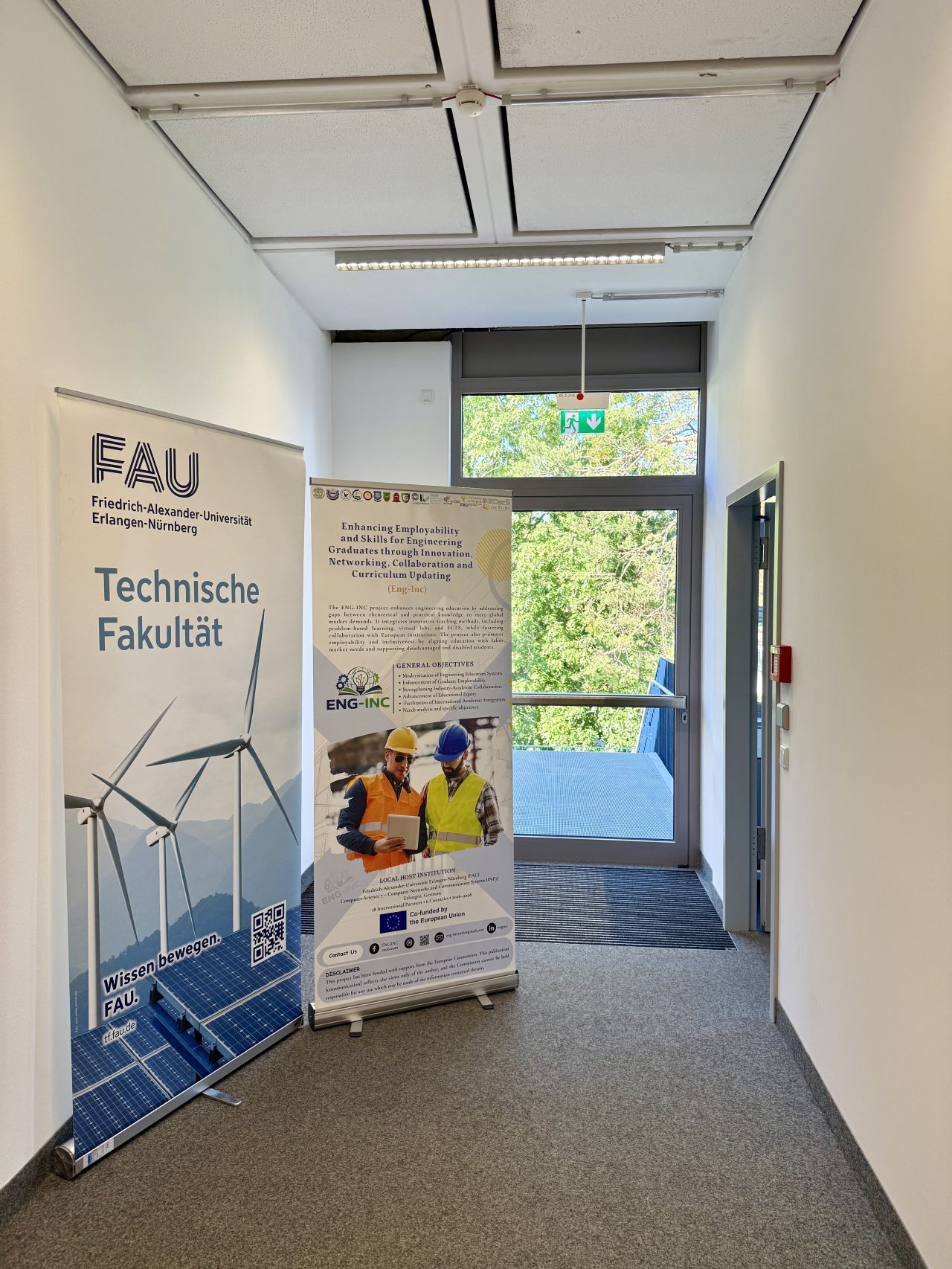 7/8
7/8 8/8
8/8